

Our advice on damp
Simple advice to understand rising damp, choose a device and prepare your walls.
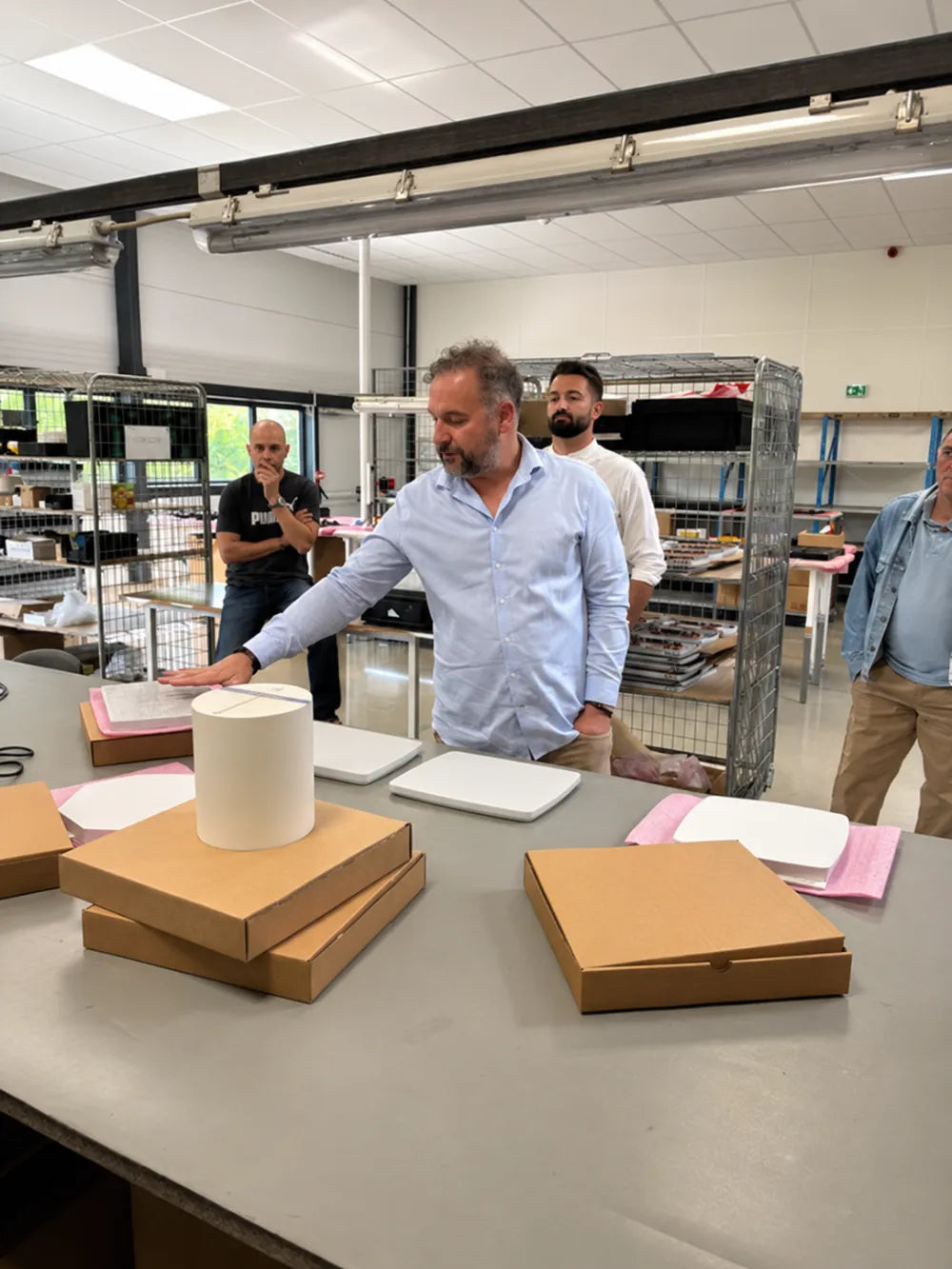
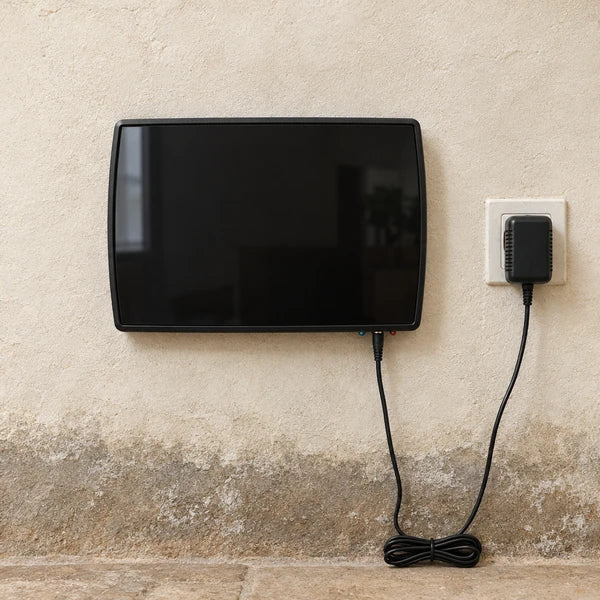
William Coignard presents Humidistop wall drying devices in Castres
At the Castres factory, William Coignard presents the ATE LC15, LC30, Pulse and MAX wall drying units, manufactured in France.3 min readRead the article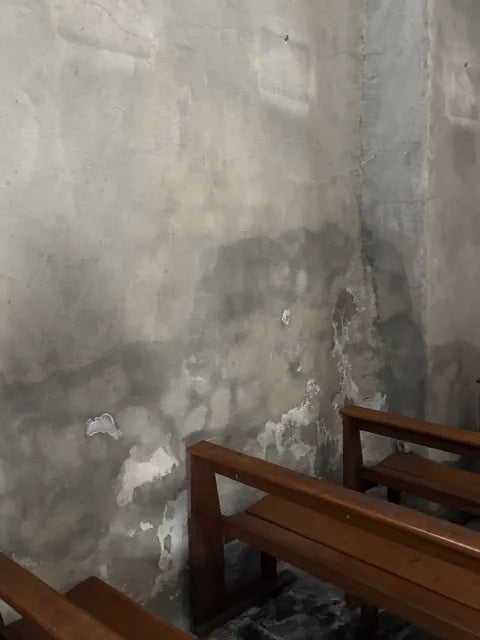
Wall drying: how to monitor progress after treatment?
Dated photos, comparable measurements, salt levels, and renovation: key indicators for monitoring a damp wall after treating the underlying cause.2 min readRead the article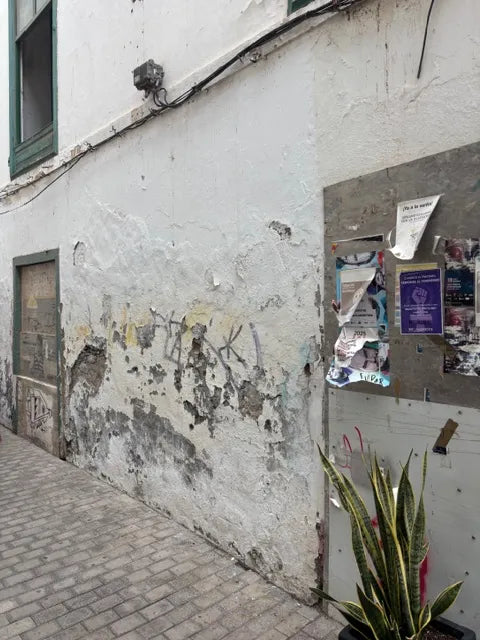
Installing an ATE device: location, power supply, and points to check
Prepare for the installation of an ATE: confirm the diagnosis, choose the location, check the coverage, and follow the model's instructions.2 min readRead the article Damp advice
Dampness in an old house: protecting the walls and plaster
Stone walls, bricks and old plaster: the areas to inspect when treating dampness without renovating the finishes too soon.2 min readRead the article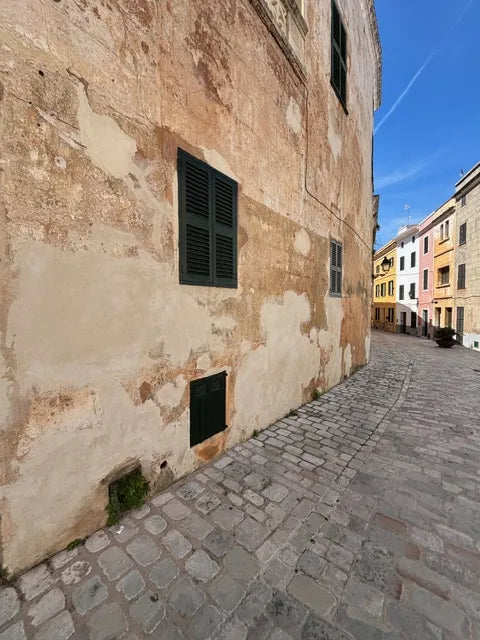 Buying guide
Which rising damp device should you choose: LC15, LC30, Pulse or MAX?
ATE LC15, LC30, Pulse or MAX: the right device depends on the area to be treated. Key points for choosing, from a single wall to a large building.2 min readRead the article Damp advice
Damp walls: diagnostic steps before choosing a treatment
Before treating a damp wall, you need to know where the water is coming from. Rising damp, penetrating damp, condensation: the key signs to get it right.2 min readRead the article Rising damp