

Which rising damp device should you choose: LC15, LC30, Pulse or MAX?
ATE LC15, LC30, Pulse or MAX: the right device depends on the area to be treated. Key points for choosing, from a single wall to a large building.

To choose a device for rising damp, first confirm the source of the moisture, then measure the area to cover. The right model depends on the building and installation position, not simply its floor area.
Check that the moisture comes from the ground
Low-level marks, peeling plaster and white deposits can help guide a diagnosis. They do not prove rising damp. Investigate leaks, water ingress and condensation before buying. An ATE device does not replace the repairs these problems require.
Compare the four ATE models
- ATE LC15 grey and LC15 black: stated diameter 15 m, equivalent to a 7.5 m radius.
- ATE LC30 grey and LC30 black: stated diameter 30 m, equivalent to a 15 m radius.
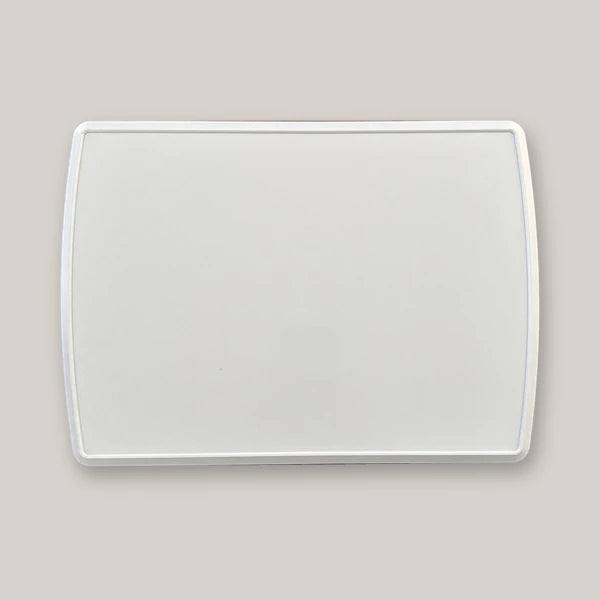
- ATE Pulse white: stated diameter 30 m, with a different housing.
- ATE MAX grey and MAX black: stated diameter 60 m, equivalent to a 30 m radius.
A diameter is not a floor area in square metres
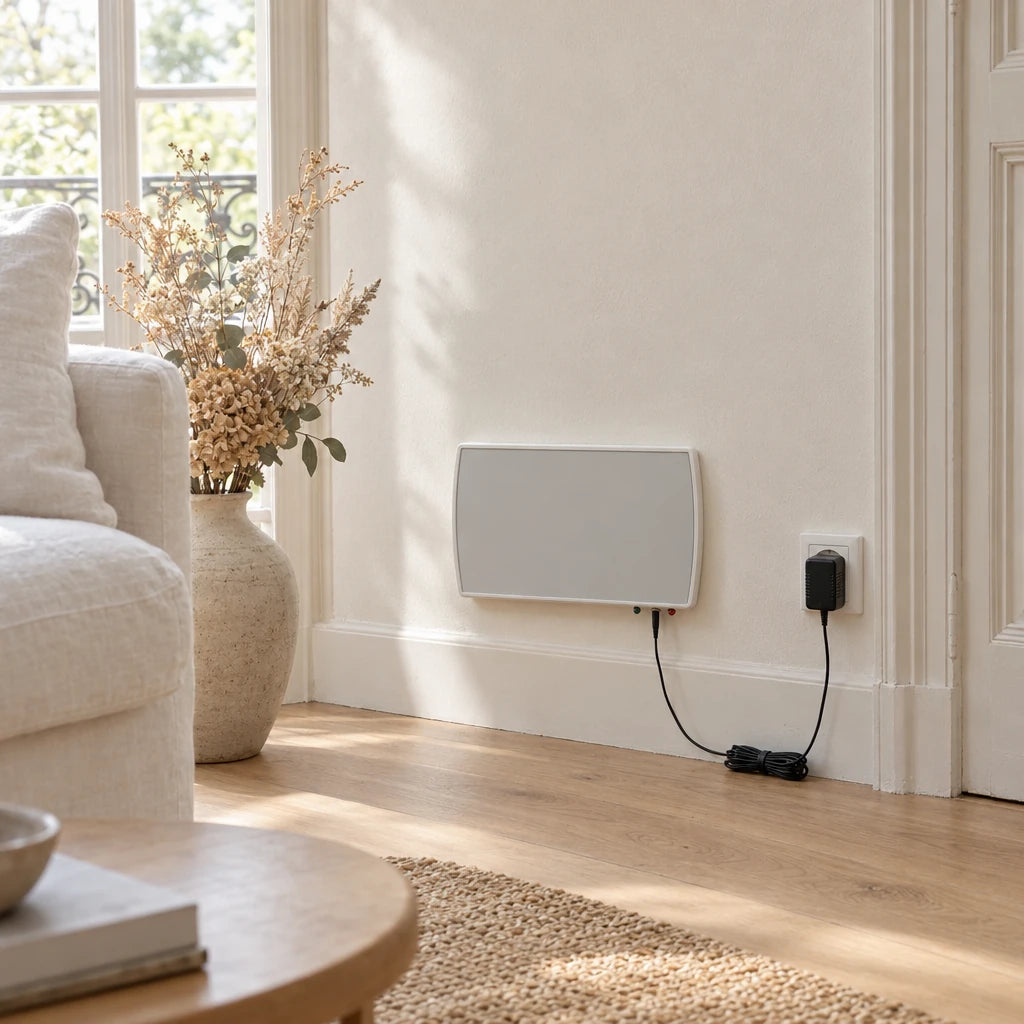
Mark the proposed installation point on a plan. Check the distance to the furthest walls: a wing or annex may fall outside coverage. Ask our advice service to check the layout rather than choosing only by room count.
Power supply, warranty and installation
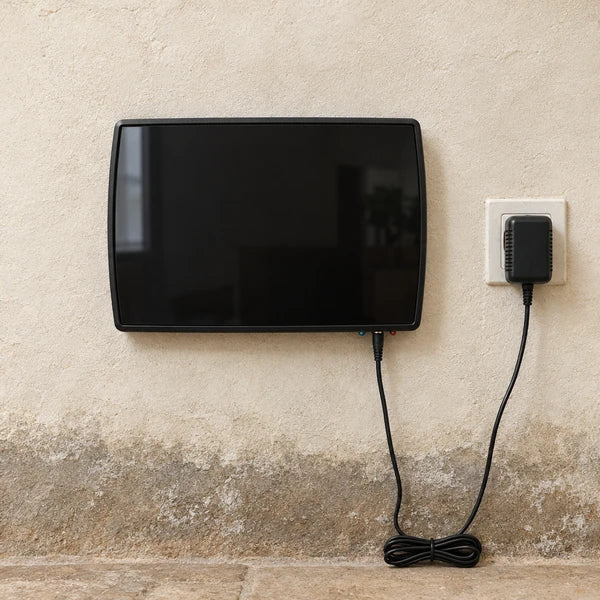
ATE devices use mains electricity. The stated 0.75 W power consumption is approximately 6.6 kWh over a year of continuous operation; the cost depends on your electricity tariff. Devices carry a 10-year warranty subject to the applicable terms. Consult the chosen model’s installation instructions.
Frequently asked questions
Is the MAX always the best choice?
Greater coverage does not mean a model is better suited to every home. The diagnosis, plan and installation point remain decisive.
Can I choose from a photograph?
A photograph helps prepare the discussion but does not replace a diagnosis. Contact us with a plan and a description of the marks for guidance.