


Damp walls: diagnostic steps before choosing a treatment
Before treating a damp wall, you need to know where the water is coming from. Rising damp, penetrating damp, condensation: the key signs to get it right.
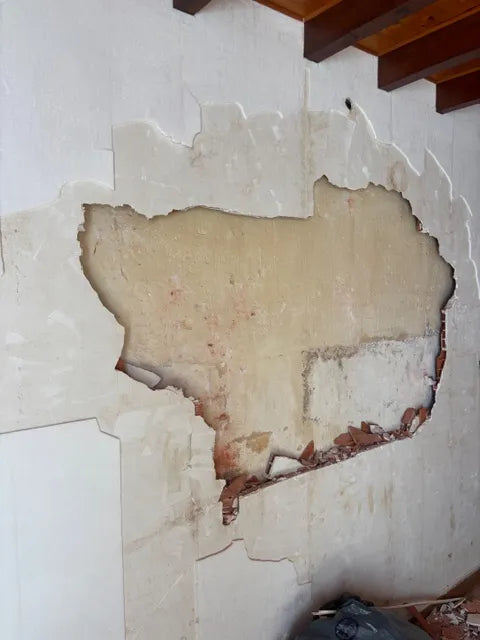
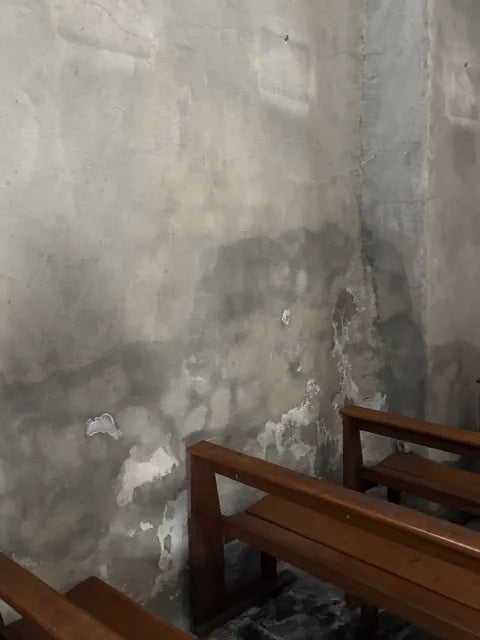
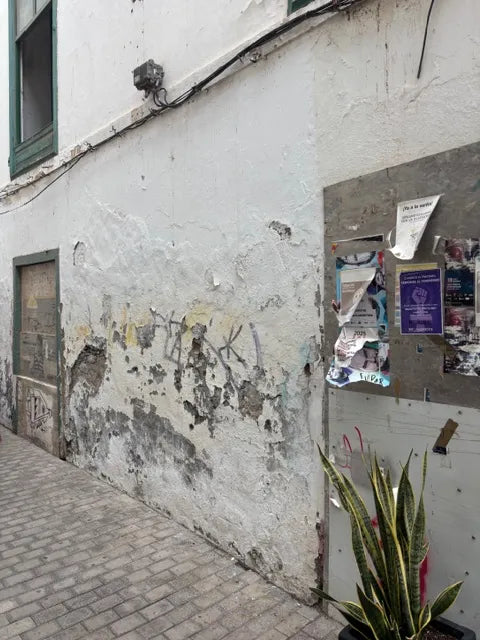
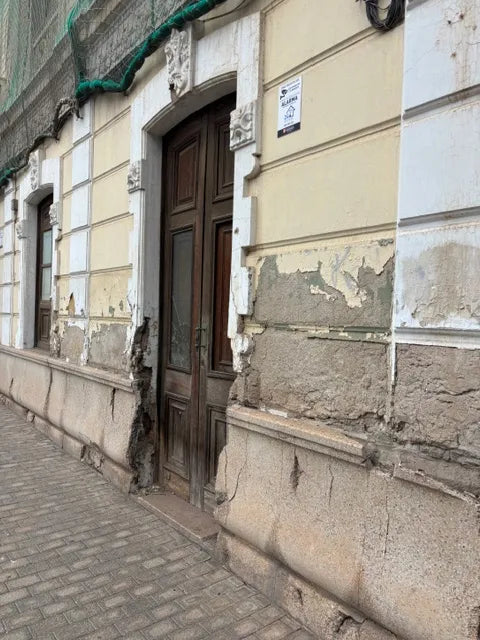
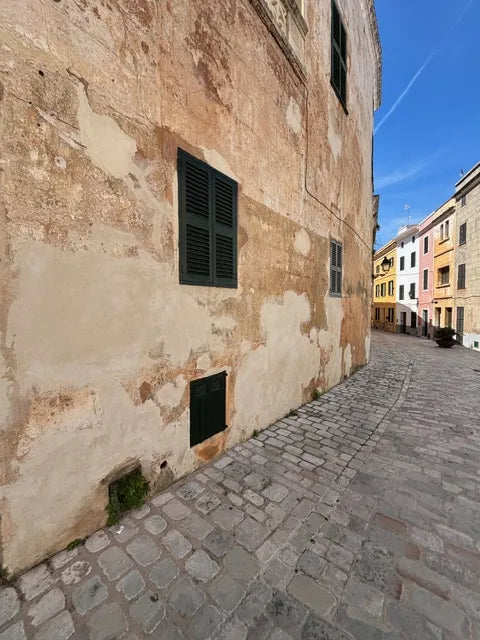
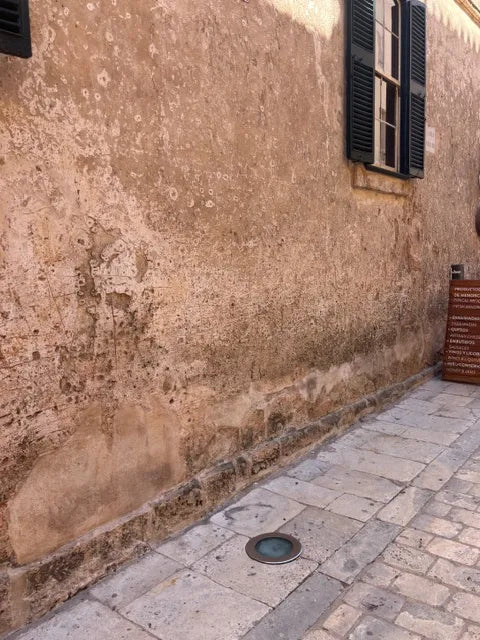
Effective treatment of a damp wall starts by identifying where the water comes from, understanding the materials and checking ventilation. Choosing paint or a device comes later. The photograph shows damaged plaster; it cannot establish the cause.
Observe where and when marks appear
Record their height, extent and changes after rain or during cold weather. Inspect both sides of the wall where accessible. A patch near a pipe, window or roof calls for different checks from continuous damage at the base of a wall.
Find the cause before covering the damage
- Check water pipes and drains if a leak is suspected.
- Inspect gutters, joints, cracks and external ground levels for water ingress.
- Check ventilation and cold surfaces for condensation.
- Have rising damp investigated where the building conditions and measurements justify it.
Measure systematically
A surface moisture meter provides an indication that can be affected by materials and salts. Ask the professional how the diagnosis is established and which measurements will monitor progress. Keep dated photographs taken at the same locations.
Choose a treatment suited to the cause
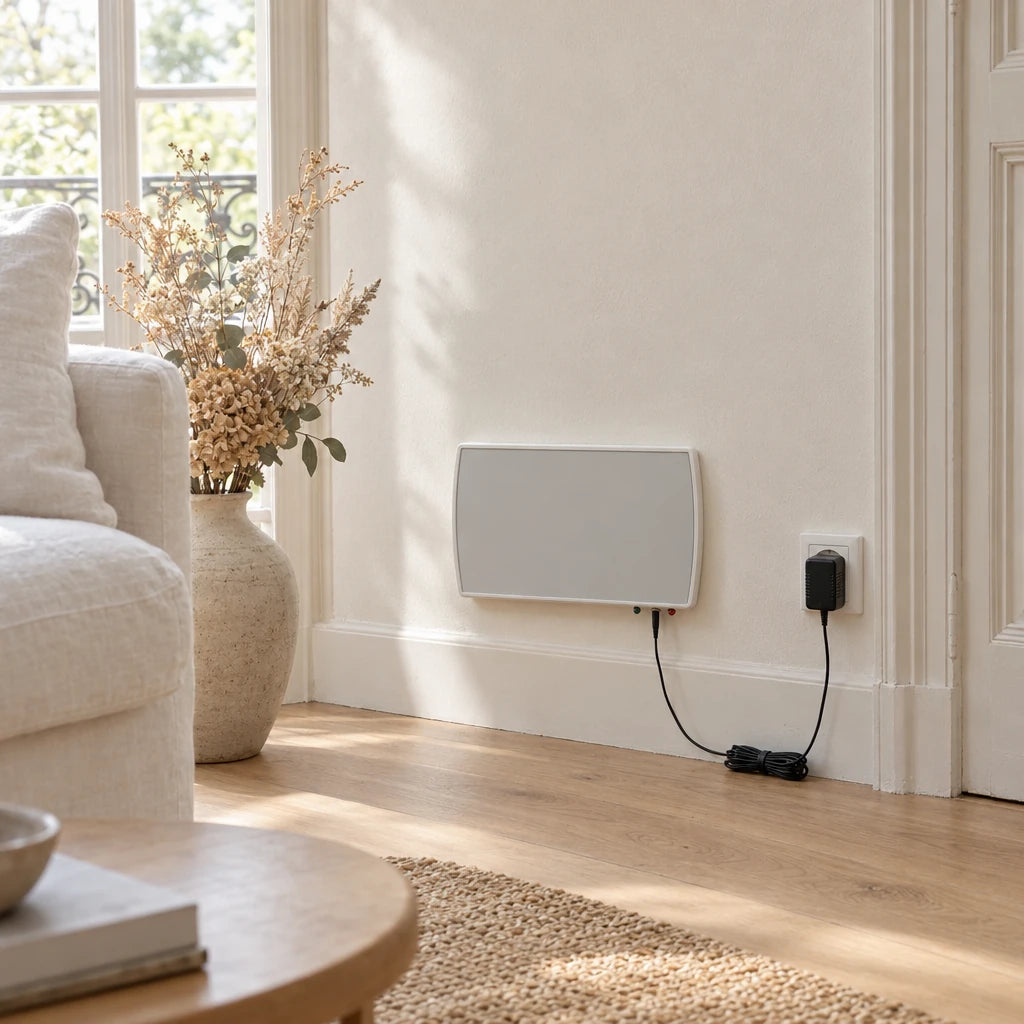
Repair leaks or water ingress and address ventilation problems. Where rising damp is confirmed, assess options compatible with the building. The ATE LC30 is one of the devices offered for this situation; selection depends on coverage and positioning. Explore all available models.
Plan repairs to wall finishes
Avoid covering a still-damp wall too soon with an unsuitable finish. Assess plaster condition, salts and drying before painting. Treating the cause does not automatically repair materials already damaged.
Frequently asked questions
Is anti-damp paint enough?
It does not stop water entering the wall. Treatment must first address the identified cause.
What information helps us advise you?
Prepare overview and close-up photographs, the building’s age, materials, a plan and the history of the marks. Our advice service can help you prepare the next steps.