





Dampness in an old house: protecting the walls and plaster
Stone walls, bricks and old plaster: the areas to inspect when treating dampness without renovating the finishes too soon.

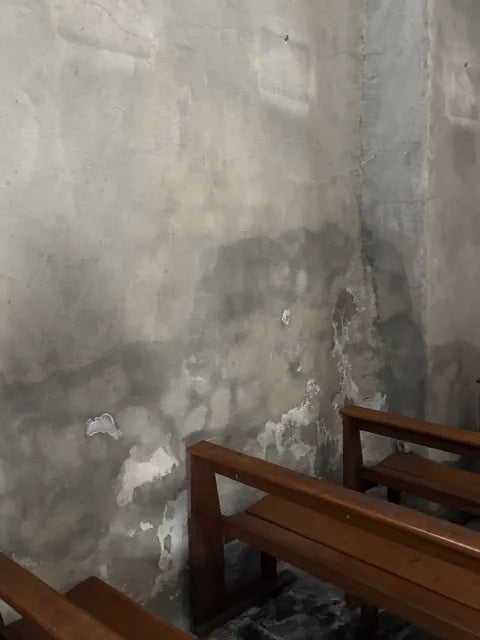
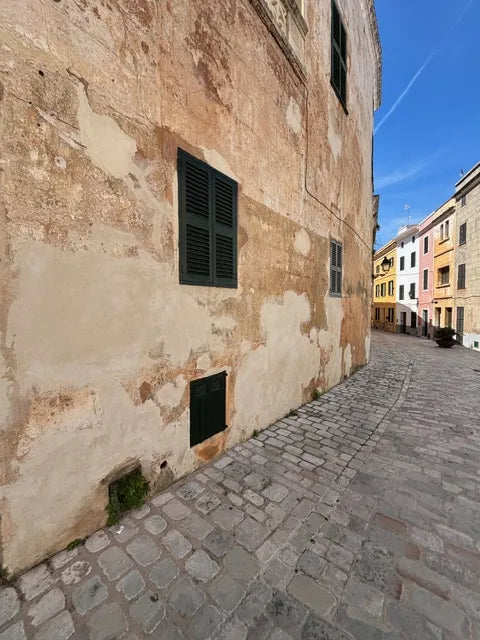
In an older building, signs of dampness must be viewed in the context of the building’s history. Materials, floor levels, finishes, and changes to ventilation can all affect how the walls behave.
Examine the building as a whole
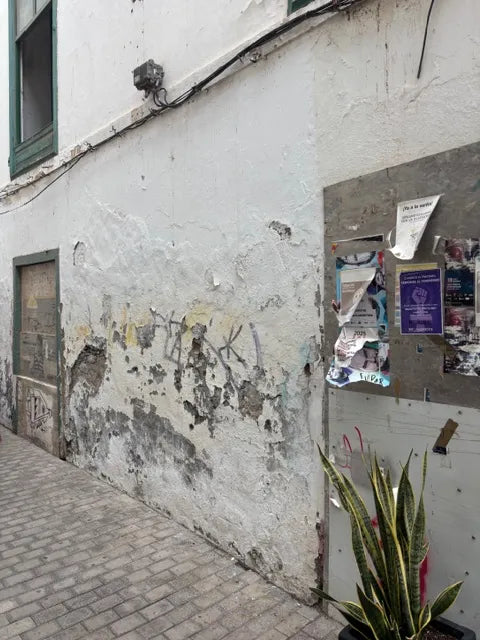
Look at the foundations, rainwater drainage, and the junction between the ground and the façade. A raised pavement or recent landscaping should be reported to the professional. The façade shown in the photograph has deteriorated render, but the image does not indicate a specific cause.
Understand the existing finishes
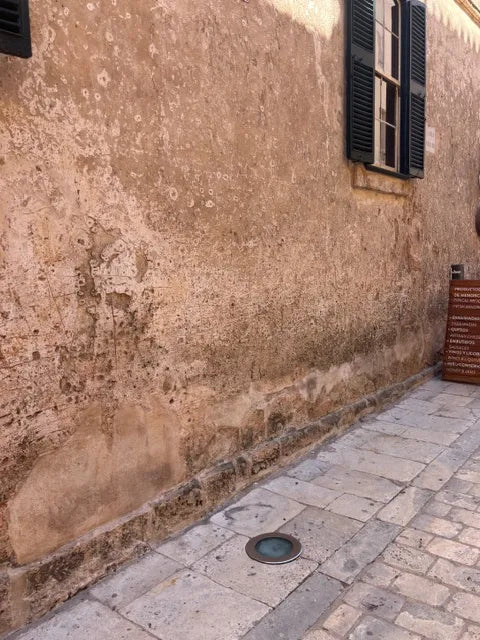
An old wall may have several layers of render and paint. Their compatibility with the substrate and drying potential must be assessed before applying a new finish. Do not choose a finish based solely on its marketing claims.
Distinguish between the necessary treatments
Water penetration requires identifying the source of the water. Condensation requires examining how the building is used, its ventilation, and any cold surfaces. If the assessment confirms rising damp, the chosen solution must take into account the building’s construction and the entire affected area.
Choose the right coverage for the building’s layout
For an ATE device, the stated diameter does not represent a floor area in square metres. A long building, multiple wings, or an annex require careful consideration of the floor plan. Compare the LC30, with a 30 m diameter and the MAX, with a 60 m diameter, then have the placement confirmed.
Schedule the finishing work at the right time
Damp treatment and the restoration of render are two separate stages. The moisture levels, the condition of the substrate, and the presence of salts must be monitored before reapplying the finishes. In a protected building, consult the relevant authorities before carrying out any work.
Frequently asked questions
Can the same method be used on all old walls?
No. Stone, brick, mortar, and finishes all require an assessment tailored to the building.
What information should be provided to the advice service?
Photographs, a floor plan, the estimated age of the building, and details of any recent work will help prepare for the consultation. Contact Humidistopshop before selecting a device.