

Wall drying: how to monitor progress after treatment?
Dated photos, comparable measurements, salt levels, and renovation: key indicators for monitoring a damp wall after treating the underlying cause.

After the cause of the moisture has been treated, a wall may not always change appearance immediately. To assess its progress, prepare documented follow-up records and consistent points of comparison.
Create a baseline
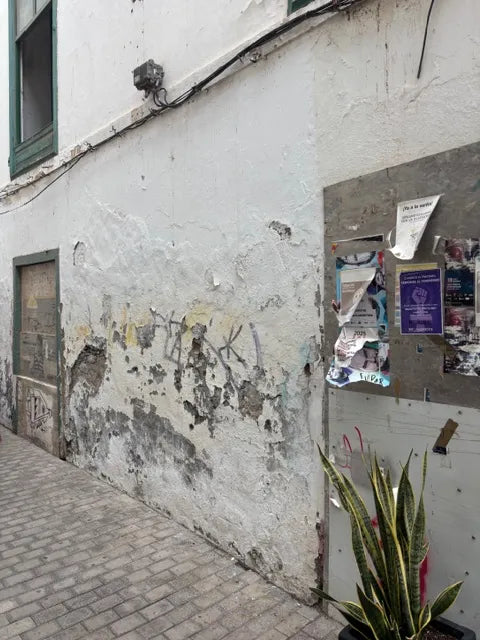
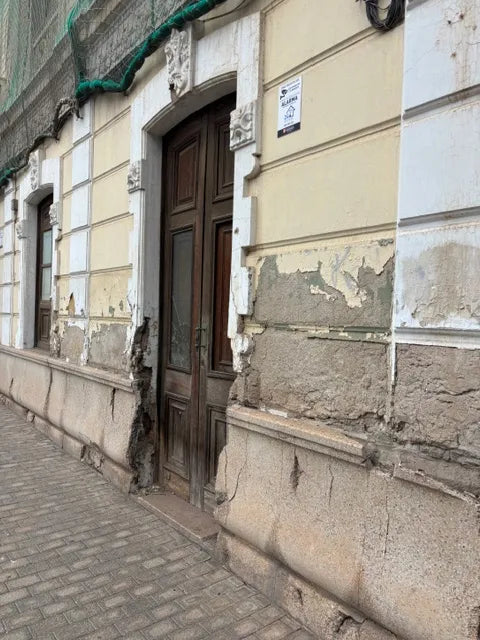
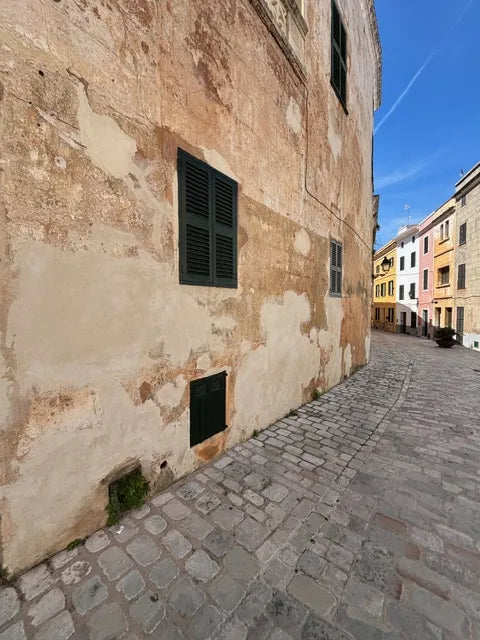
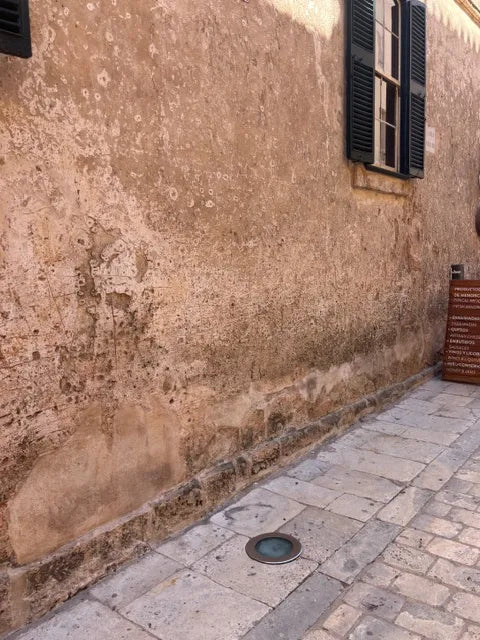
Photograph the same areas from a comparable distance and in similar lighting. Record the date, the building’s usage conditions, and the work carried out. A photo of an interior wall showing damage does not constitute a before-and-after result or proof that a device is effective.
Compare measurements appropriate for the material
Measurements must be interpreted with knowledge of the substrate and the method used. Salts, in particular, can affect certain electrical readings. Ask the professional which points to monitor and how to distinguish a measurement variation from an actual change in the moisture level of the wall.
Understand why drying times vary
The thickness of the masonry, its composition, its initial condition, and the possibilities for evaporation all affect drying. Ventilation and the persistence of another source of water must also be taken into account. An identical timeframe for all houses cannot be guaranteed based solely on a photo.
Do not confuse drying with restoration
Damaged plaster, salts, or peeling paint may remain visible after the moisture level has changed. The choice of repairs and finishes must be adapted to the condition of the substrate. Avoid covering the areas to be monitored before the planned inspection.
When to request a new inspection?
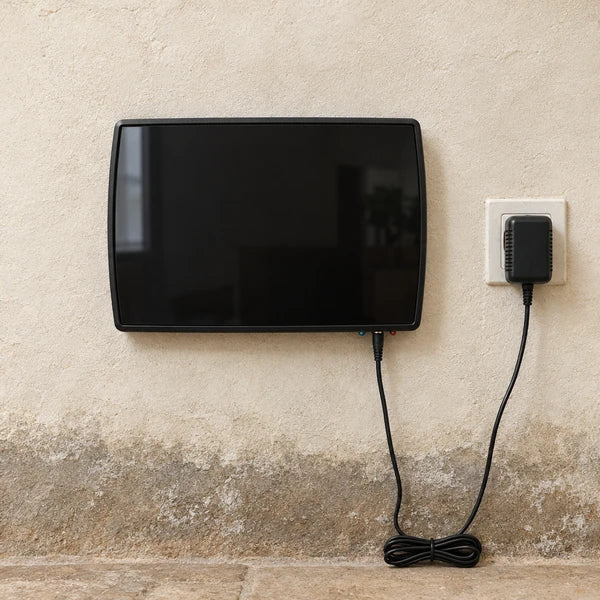
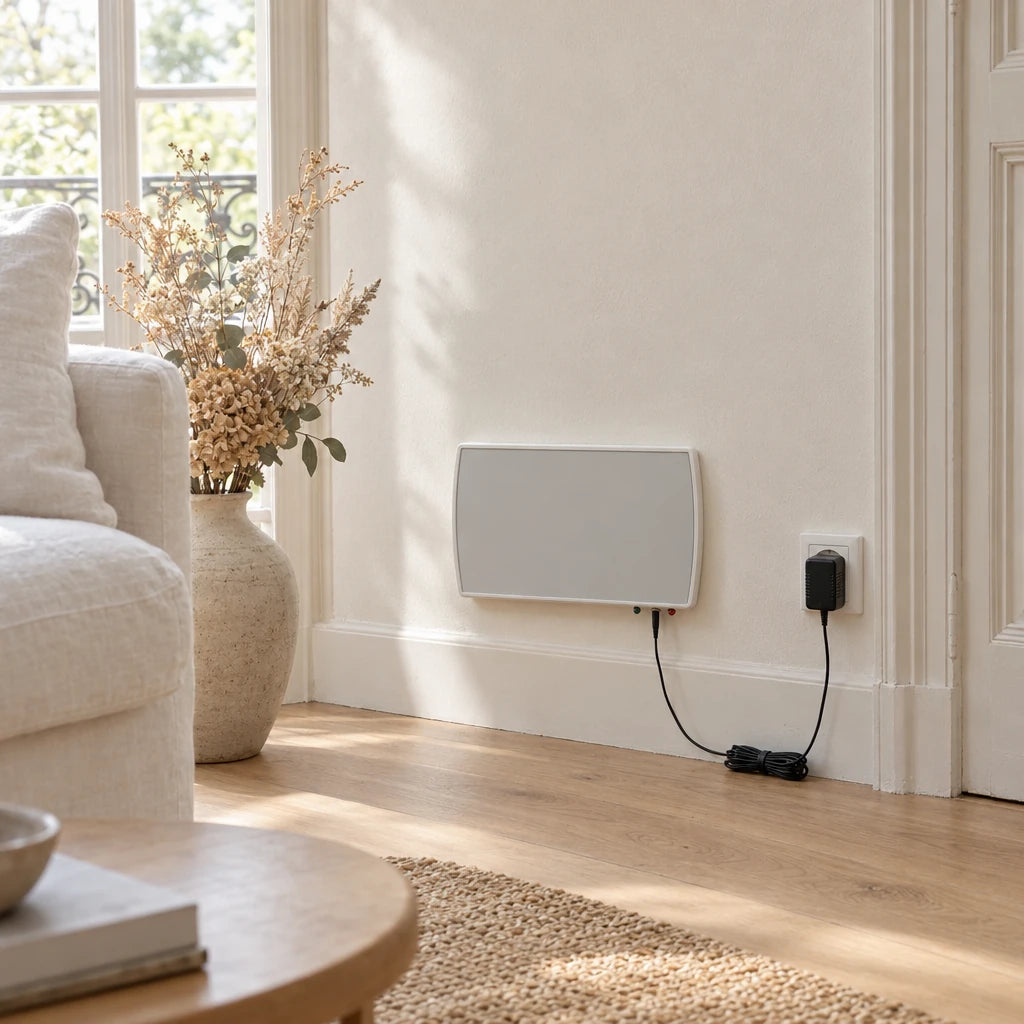
A new localized patch, worsening after rain, or a change in usage warrants investigating an additional cause. The ATE LC30 and ATE MAX devices are intended for rising damp; they do not replace the repair of a leak or water ingress.
Frequently asked questions
Is a wall that feels dry necessarily fully dried?
Touch does not provide sufficient information about the condition of the entire thickness of the masonry.
What information should be kept?
Keep the photos, measurements, dates, manuals, and follow-up communications. Contact the advisory service if the progress requires verification.