

Rising damp: recognising the signs and understanding the options
Marks at the bottom of your walls, saltpetre, blistering paint? Here is how to recognise rising damp and what solutions are available.

Rising damp is the movement of ground water through the pores of masonry. It can affect walls in contact with damp ground, particularly where a damp-proof course is missing, defective or bridged.
Which signs should you look for?
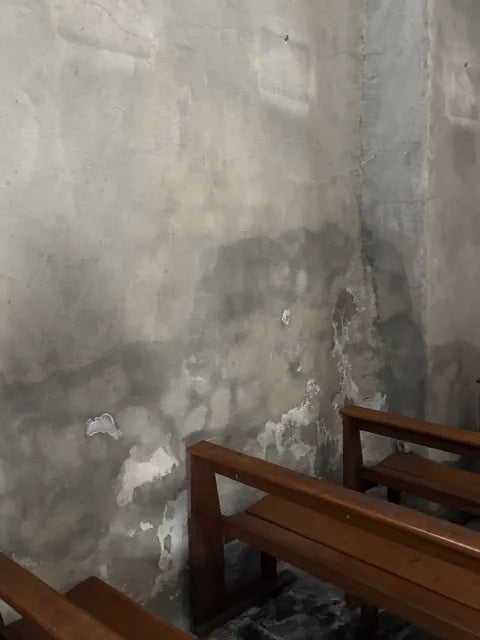
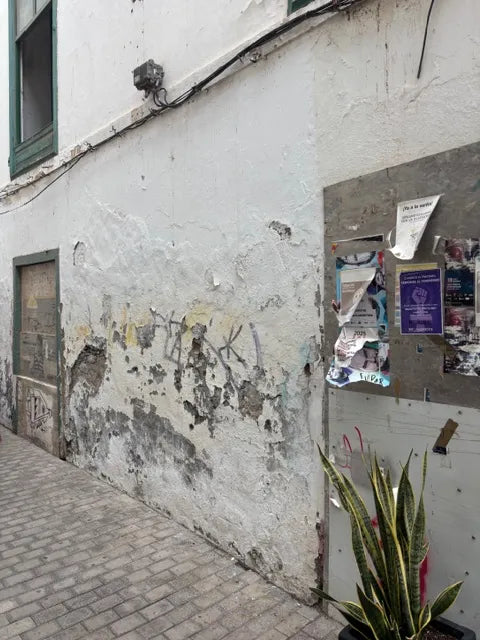
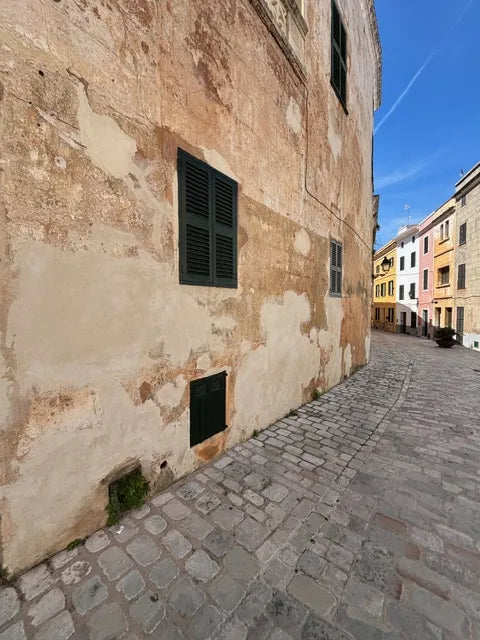
Low-level staining, crumbling plaster and salt deposits may be consistent with rising damp. Their height and appearance depend on the materials, evaporation and exposure. The photograph of old masonry illustrates visible deterioration; it is not a diagnosis of that building.
Distinguish between different causes of damp
Condensation occurs when humid air meets sufficiently cold surfaces. Penetrating damp is water entering through a facade or a waterproofing defect. A leaking pipe is another possible cause. Several problems may coexist in one home.
How can the diagnosis be confirmed?
A building assessment should consider the location of the marks, external ground levels, ventilation, pipework and appropriate measurements. A photograph or a single moisture-meter reading is not enough. Ask which causes have been identified and which have been ruled out.
Which treatment options should be considered?
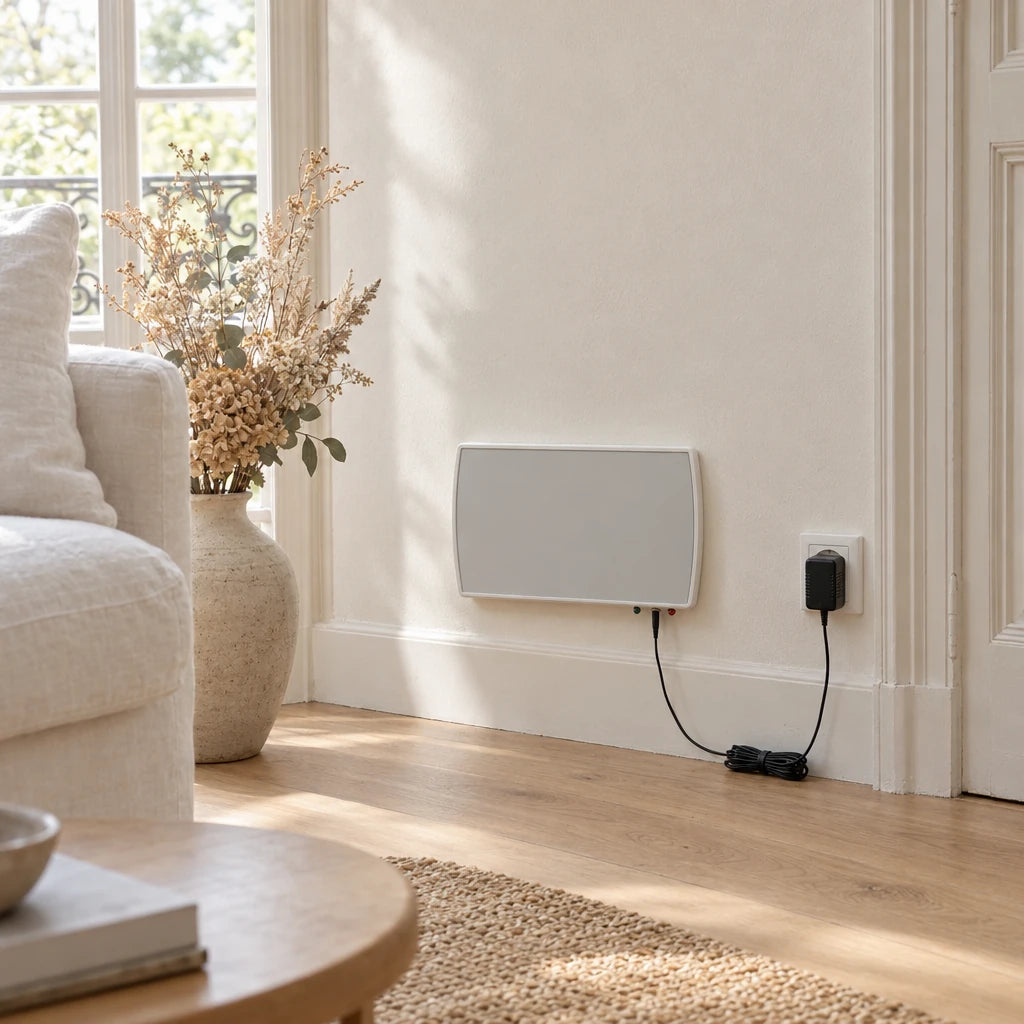
Depending on the diagnosis and construction, options may include improving water drainage, addressing the damp-proof course or using a device intended for rising damp. Each option has its own installation requirements. The ATE LC15, ATE LC30 and ATE MAX offer different coverage diameters.
Plan monitoring rather than a fixed drying date
Wall thickness, initial moisture content, salts and opportunities for evaporation influence progress. Set inspection points and keep comparison conditions consistent. The appearance of a wall alone cannot establish a universal drying time.
Frequently asked questions
Do white salt deposits prove rising damp?
White deposits may indicate salts, but cannot by themselves identify the salt type or the source of the water.
Does an ATE treat every damp problem?
No. It is intended for rising damp and does not replace repairs to leaks or penetrating damp, or measures to control condensation. Ask for advice before choosing.